
Why Does Grass Not Grow in Winter?

Key takeaway: Buffalo, couch, kikuyu and zoysia use a photosynthesis pathway (C4) built for heat, with growth all but stopping once temperatures drop below around 10°C, which is why they … Read more
 Alan Brown
Key takeaway: Buffalo, couch, kikuyu and zoysia use a photosynthesis pathway (C4) built for heat, with growth all but stopping once temperatures drop below around 10°C, which is why they … Read more

Key takeaway: Bring an overgrown, thin or neglected lawn back gradually: mow it down over several sessions rather than one hard cut, following the one-third rule each time, then dethatch … Read more

Key takeaway: Watering will bring back dormant grass, but not dead grass. Pull a few blades gently: if they resist and the base still looks green or white rather than … Read more

Key takeaway: Mealybugs are small, cotton-coated insects that occasionally turn up at the edge of an Australian lawn, usually spreading in from an infested garden bed rather than starting in … Read more

A complete beginner’s guide to lawn care in Australia: grass types, mowing, watering, feeding, weed and pest control, and a season-by-season starting point. Read more

Key takeaway: A rotary mower is the practical choice for most Australian lawns, since it copes with kikuyu, most buffalo and an uneven surface. A reel (cylinder) mower earns its … Read more
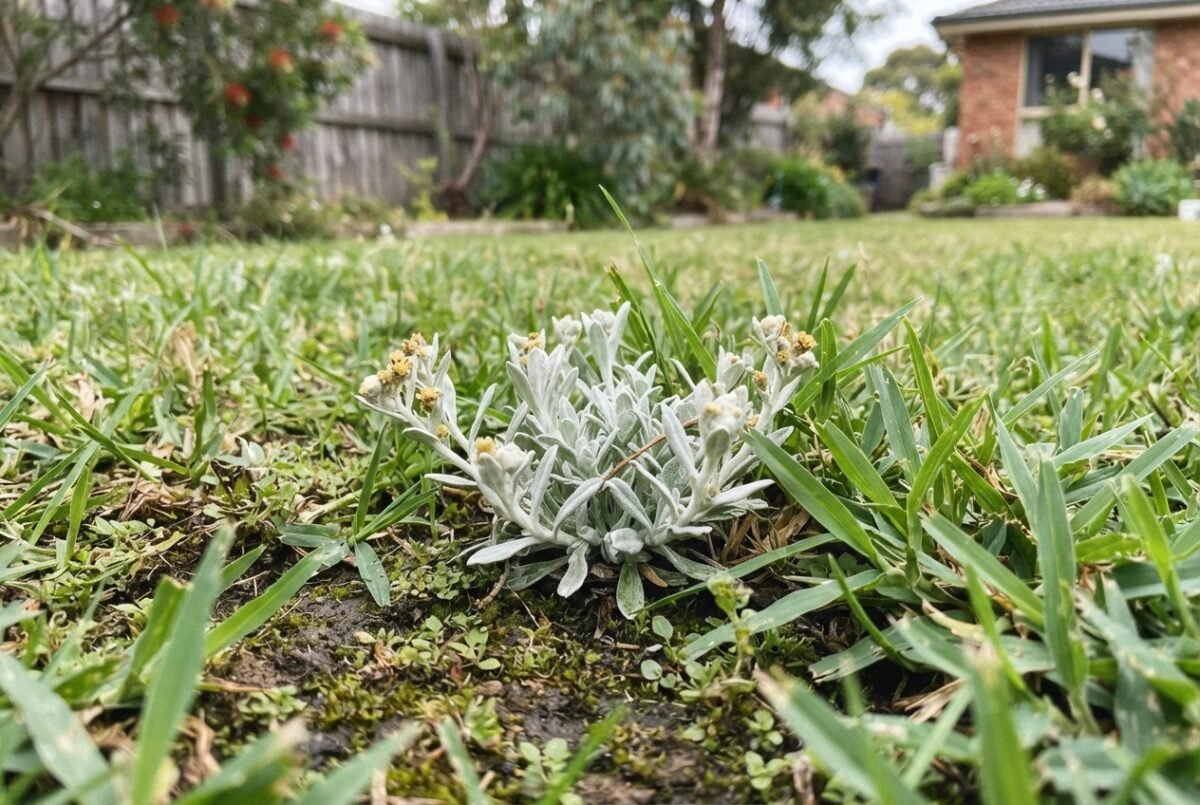
Key takeaway: Cudweed is a soft, woolly grey-green rosette weed in the Gamochaeta group that spreads through autumn and winter before bolting upright in spring. A broadleaf herbicide combining clopyralid, … Read more

Key takeaway: Dynamic Lifter is pelletised, composted poultry manure made by Yates. The standard Organic Lawn Food goes down at 60g per square metre in spring and autumn, while the … Read more
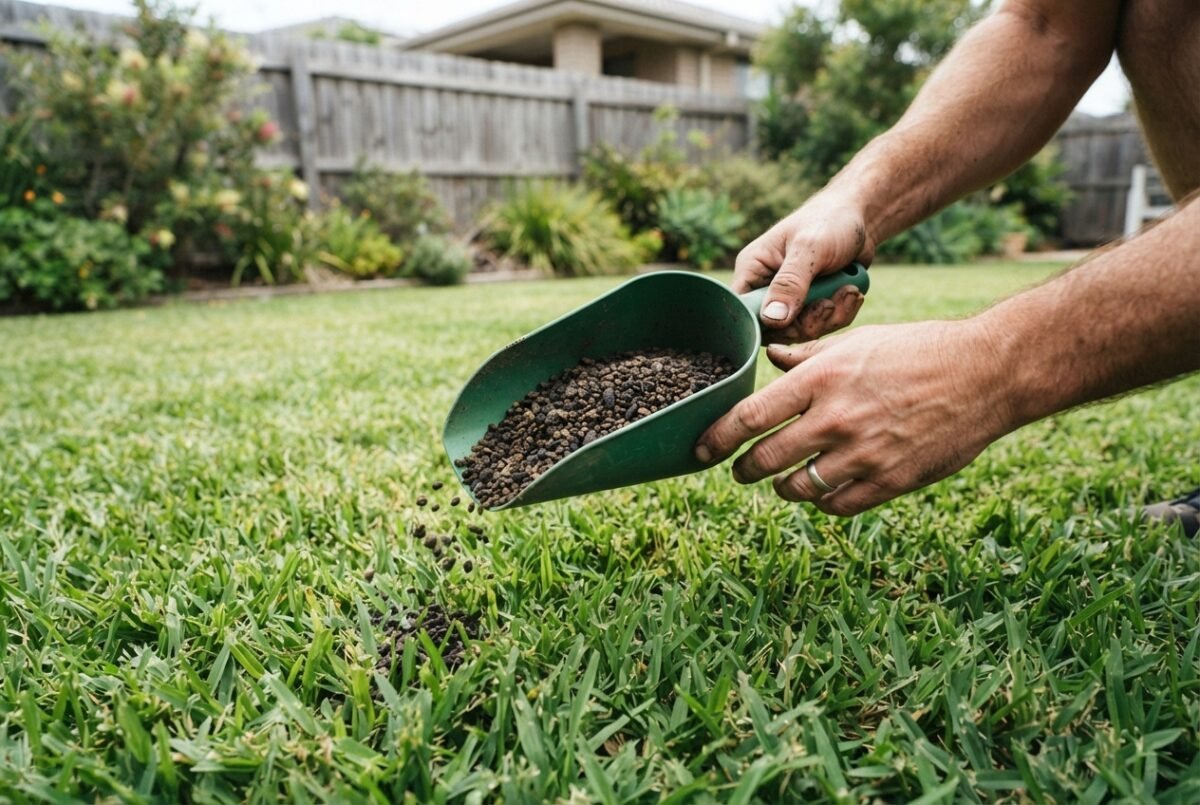
Key takeaway: The three numbers on a fertiliser bag are the percentages of nitrogen (N), phosphorus (P) and potassium (K) by weight, always in that order. To work out how … Read more

Get a genuinely green lawn: the real difference between iron and nitrogen, why fast-green products work, and the common reasons a lawn stays dull instead. Read more
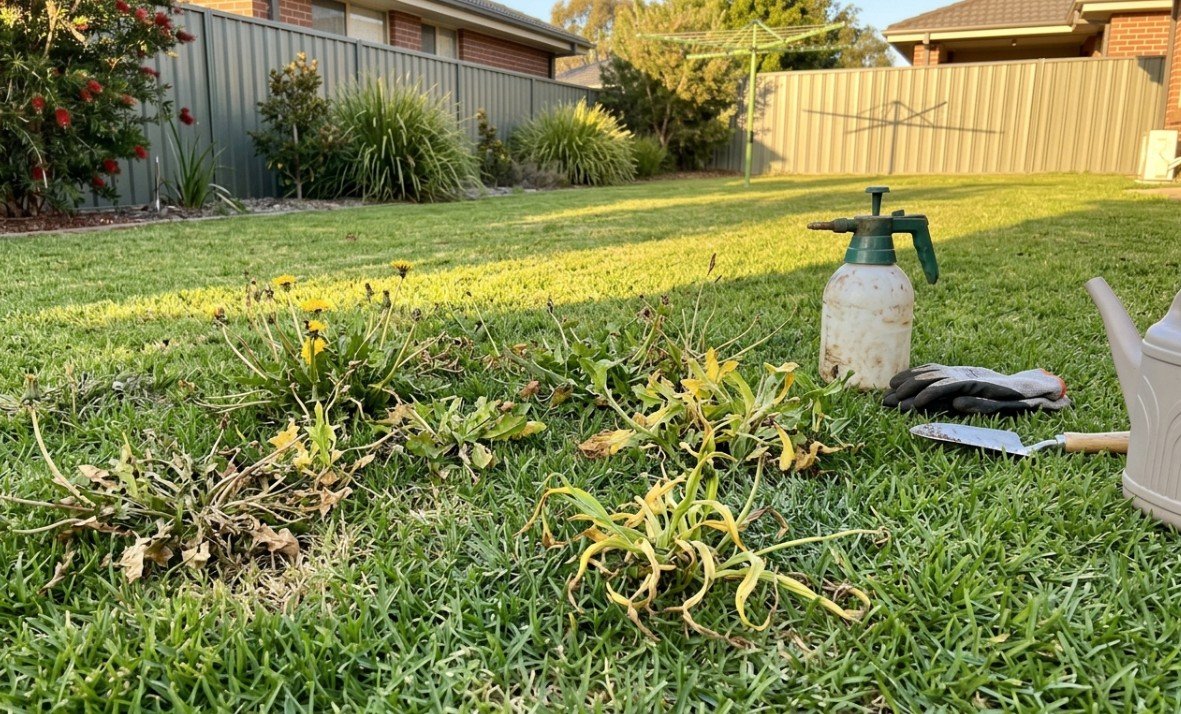
How long a weed killer takes depends entirely on what type it is, not how strong it smells or how much you used. Read more

A peer-reviewed Purdue University study found common weed-and-feed herbicides in the urine of dogs from 76% of households after a lawn application, with residues persisting on the grass for at least 48 hours. Read more

Glyphosate is the fastest, most reliable way to kill an entire lawn before renovating, converting to garden beds, or laying new turf, usually showing visible dieback within a week or two. Read more

Almost every home lawn in Australia is one of two groups: warm-season grasses (buffalo, couch, kikuyu and zoysia), which cover most of the country, or cool-season grasses (fescue and ryegrass). Read more
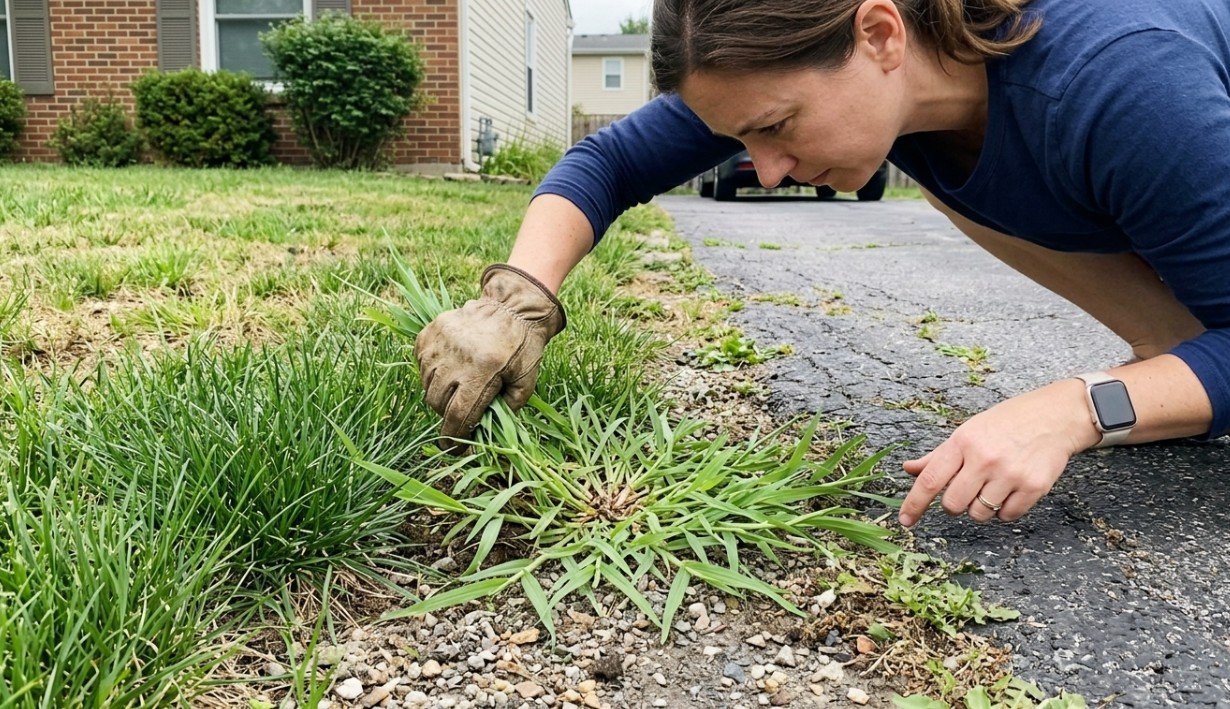
Summer grass and crabgrass are the same weed under two different names, an annual grass that germinates as the soil warms and dies off with the first cold snap. Read more
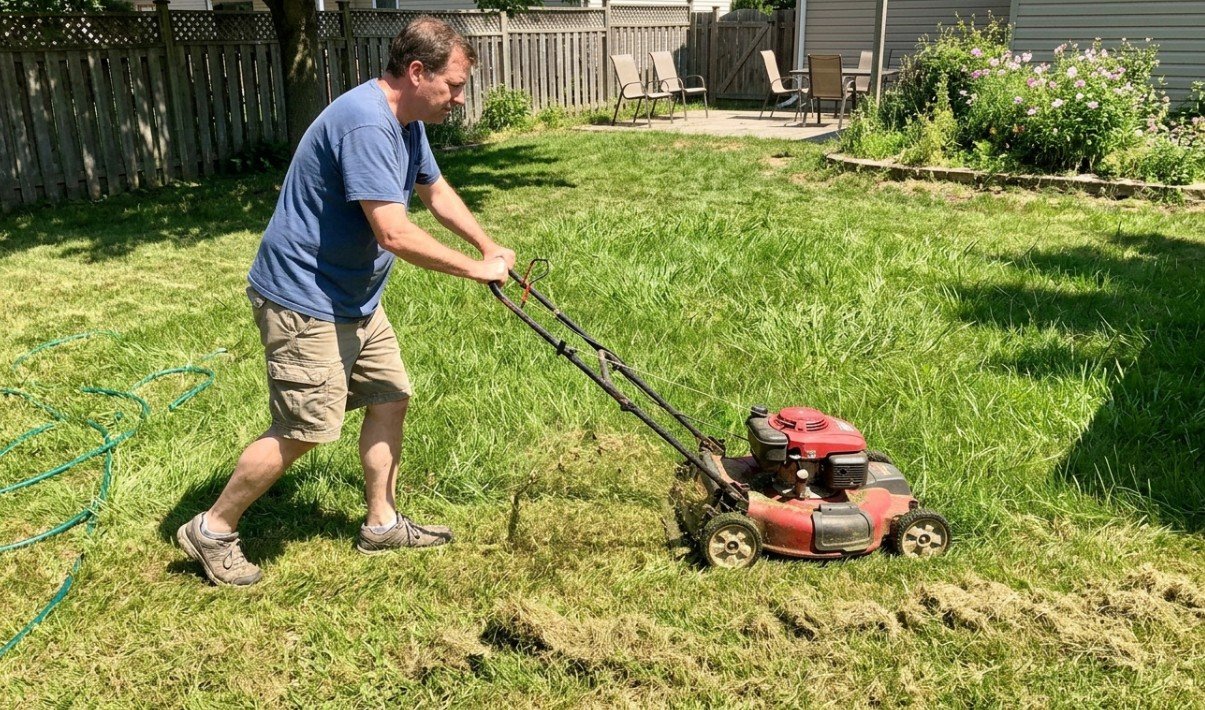
You can mow wet grass, but you shouldn’t make a habit of it — wet clippings clog the deck, tear rather than cut the leaf, and can help spread fungal disease. Read more

“Oxalis” in an Australian garden is usually one of two different plants — creeping oxalis, a genuine lawn weed, and soursob, a different plant entirely. Read more