
How to Clean Fake Grass From Dog Urine

Key takeaway: Rinse the spot with water straight after your dog goes, since dried urine crystallises into uric acid crystals that plain water can no longer dissolve. For an existing … Read more
 Alan Brown
Key takeaway: Rinse the spot with water straight after your dog goes, since dried urine crystallises into uric acid crystals that plain water can no longer dissolve. For an existing … Read more

Key takeaway: Dog urine kills grass through concentrated nitrogen, not acidity, so the fastest real fix is dilution: soak the spot with about three times the volume of urine within … Read more

Key takeaway: Winter grass (Poa annua) grows in light yellow-green clumps with no runners at all, a soft, boat-shaped leaf tip like the prow of a canoe, and pyramid-shaped seed … Read more

Key takeaway: Oxalis has heart-shaped leaflets with a light crease down the centre and small five-petalled yellow flowers, while clover has rounder leaflets, often with a pale chevron marking, and … Read more

Key takeaway: Most Australian lawn grasses want a soil pH between 5.5 and 7, slightly acidic to neutral, though buffalo tolerates more alkaline soil, up to around pH 8, better … Read more
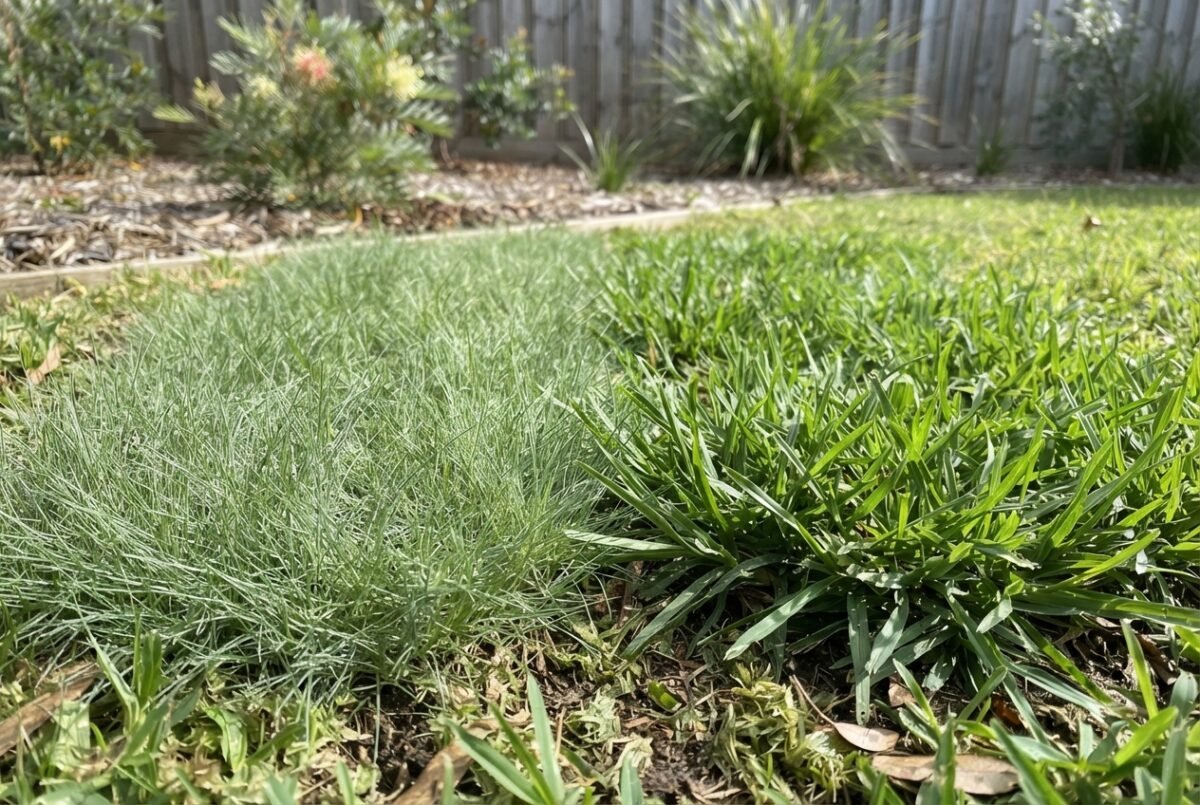
Key takeaway: Choose fine fescue for a shaded, low-traffic cool-season lawn that gets minimal wear, since it’s the most shade-tolerant and lowest-maintenance cool-season grass available. Choose tall fescue for a … Read more

Key takeaway: True clover has white or pink flowers. A trifoliate weed with yellow flowers is almost always one of three different plants: black medic, hop clover, or creeping oxalis. … Read more

The honest guide to artificial grass in Australia: real pros and cons, realistic lifespan, the maintenance it still needs, and the heat and environmental trade-offs marketing leaves out. Read more

Key takeaway: Hydrophobic, or water-repellent, soil happens when waxy organic compounds coat soil particles and stop water soaking in evenly, most commonly on sandy soils. Test it by pouring a … Read more

Key takeaway: Test before you water, don’t water on a fixed schedule. Push a screwdriver into the lawn: if it slides in easily to 100 to 150mm, the soil underneath … Read more

Key takeaway: The shape of a brown patch and how fast it spreads tell you more than the colour does. A small, sharply circular dead ring is almost always dog … Read more
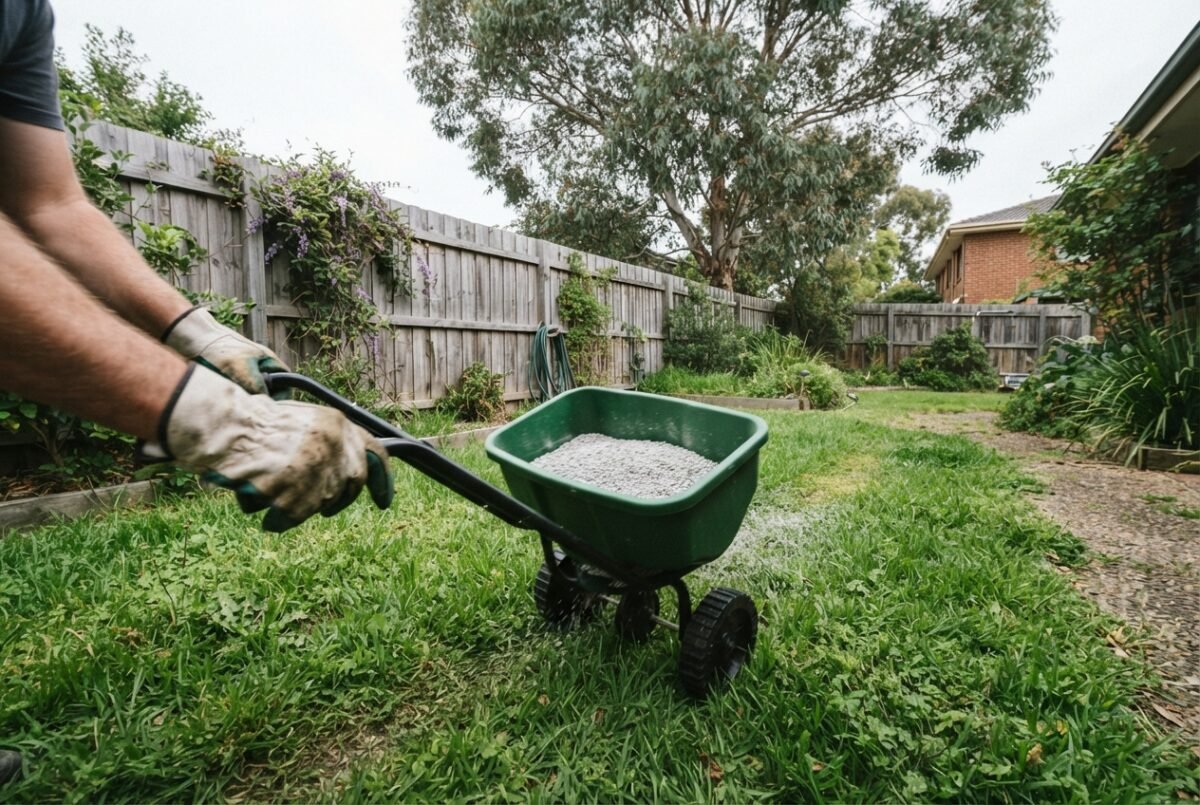
Key takeaway: Lawn grubs are the one pest with a genuine preventative window: apply a chlorantraniliprole-based granule from around September, before overwintering beetles emerge and lay eggs, for season-long protection. … Read more

How to identify lawn grubs, armyworm and fall armyworm early, tell them apart from drought, disease and dog urine, and confirm before you treat anything. Read more

Key takeaway: Treating adult lawn beetles is a different job to treating the grubs they produce. Cut outdoor lighting at night through summer and autumn to stop drawing flying adults … Read more
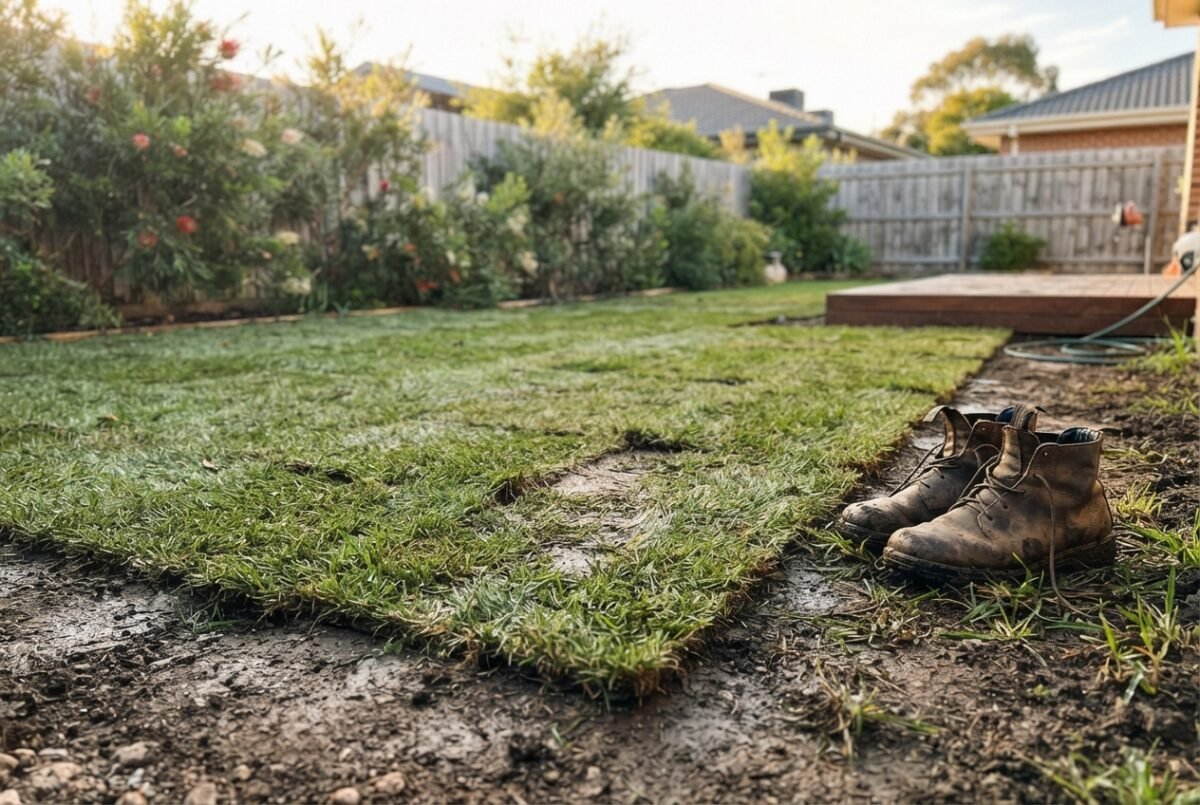
Key takeaway: Stay off new turf completely for the first 24 to 48 hours, since the soil underneath is soft and saturated and a footprint left now can take weeks … Read more

Key takeaway: Lay turf within 24 hours of delivery, in a staggered brickwork pattern with tight joins, then water it immediately and deeply. Water twice a day for the first … Read more

Key takeaway: For the warm-season lawns (buffalo, couch, kikuyu) that cover most of Australia, the single biggest mistake is feeding a high-nitrogen “winteriser” once the lawn is heading into dormancy; … Read more